- Factory job postings may advertise “monthly earnings over 10,000,” but actual income is often made up of a base salary, perfect attendance bonus, overtime pay, and various allowances. Job seekers are more concerned about actual working hours, how overtime pay is calculated, and whether their income remains stable during slow seasons.
- Young people factor in their days off, commuting time, medical checkups, and the cost of taking time off; if a factory does not clearly explain its working hours and pay rules, the job will become less attractive.
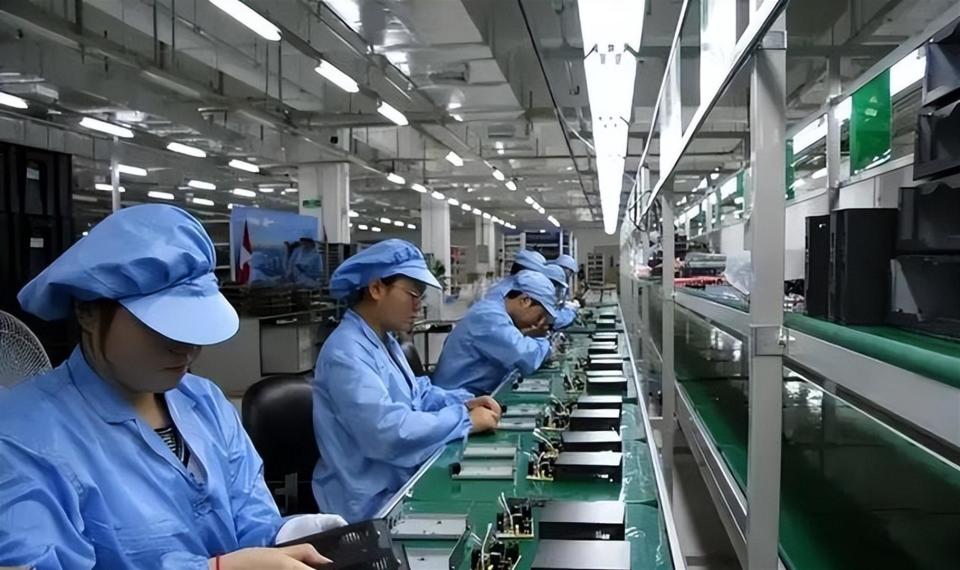
- Some factories have management practices such as centralized storage of cell phones, requiring workers to find a replacement before using the restroom, and assigning fixed work stations; however, workers are more concerned about breaks, access to drinking water, ventilation, equipment safety, and whether there are clear channels for reporting issues.
- Income from jobs on delivery and courier platforms is calculated per order or per item, and workers have relatively flexible schedules; however, earnings are also affected by order volume, weather, location, and order-assignment rules.
- Retaining workers requires more than just the promise of high wages; it also calls for a guaranteed minimum wage, transparent piece-rate pay, reasonable scheduling, night shift premiums, skill-based bonuses, and training opportunities—all of which help workers see the potential for long-term growth.
The summary above was automatically generated by the system and is provided for reference only. Please verify it against the original text before use.
A banner hanging at the factory gate reads, “Machinists Earn 12,000 a Month; Welders Earn Over 10,000 with Room and Board Included,” yet the line at the ride-hailing driver recruitment center a few hundred meters away is even longer. Although both jobs promise monthly earnings of over 10,000, young people are more inclined to find out about one before the other—not because of the size of the number, but because they want to know how the money is earned, how the hours are calculated, and whether the job offers peace of mind.
According to information released by the Ministry of Human Resources and Social Security in 2026, the job-to-applicant ratio for welders, lathe operators, and machinery and equipment installers in Shandong exceeded 2 in the second quarter, indicating that the number of job openings significantly outnumbered the number of job seekers. In the lists of in-demand occupations in Jiangsu, Shandong, Hubei, and other regions, positions such as welders, electricians, lathe operators, new energy vehicle maintenance technicians, and industrial robotics specialists have all been included; the labor shortages in factories are concentrated in positions requiring skilled workers who can operate independently.
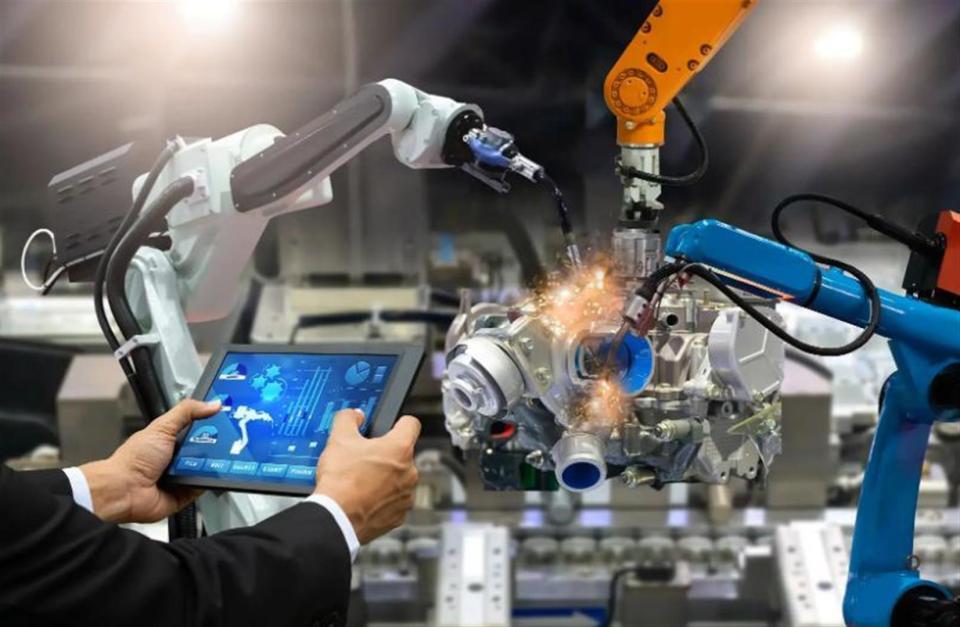
The total monthly salary listed in job postings typically consists of a base salary, perfect attendance bonus, overtime pay, and position-based allowances. If you spread out the 10,000-plus yuan you hope to earn across your actual working hours—especially when working back-to-back day and night shifts and taking few days off on weekends—your income per unit of time will differ significantly from the average monthly salary.
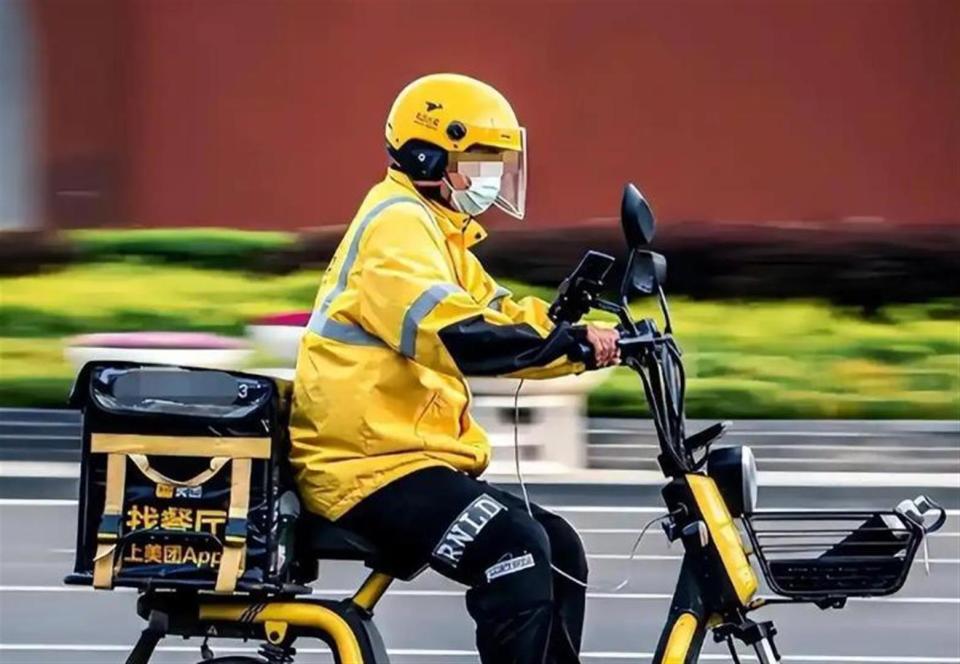
When young people calculate their finances, they factor in the costs of days off, commuting, physical exams, and unscheduled time off. If a factory only states “monthly income over 10,000” without specifying working hours or pay rules, job seekers will often ask again about the base salary, how overtime is calculated, and whether they’ll only receive the base salary during the off-season.
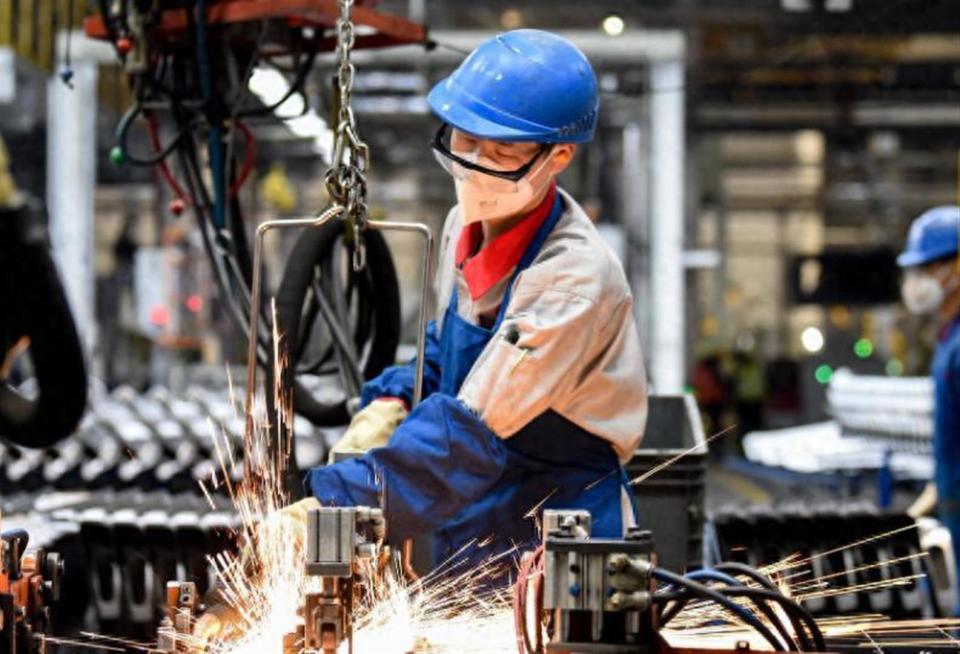
Some electronics and hardware factories operate on a model of low base pay combined with extensive overtime; working hours are extended during peak seasons, and income fluctuates when orders decline during off-seasons. In contrast, jobs on platforms such as online delivery and courier services are paid per order or per item, making the relationship between effort and reward more straightforward.
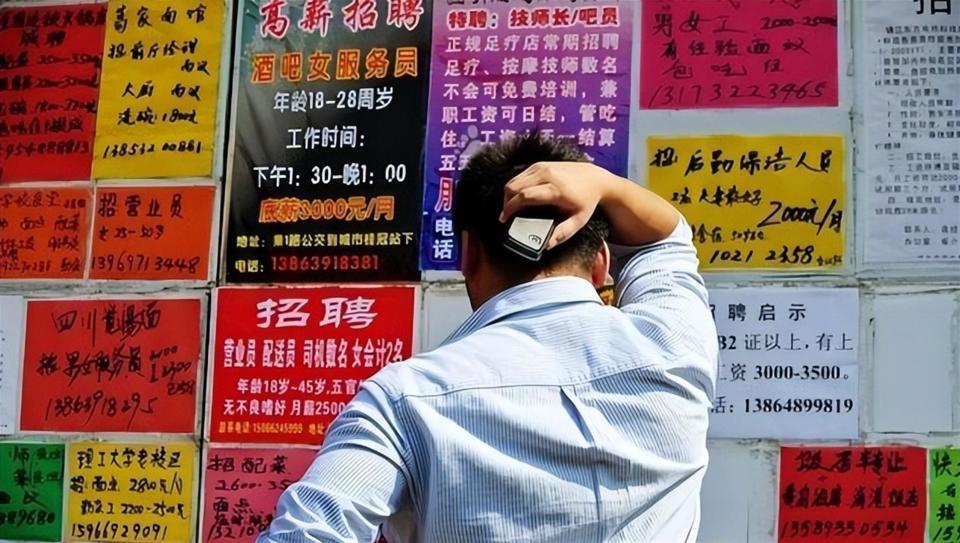
Platform-based employment also comes with its own uncertainties; order volume, weather, location, and the algorithm used for dispatch all affect earnings. According to statistics from the All-China Federation of Trade Unions, there are approximately 84 million workers in new forms of employment, including about 12 million platform-based delivery riders, about 3.2 million couriers, and more than 7 million ride-hailing drivers with valid professional licenses. Young people choose these jobs largely because they have more control over their own schedules—when to log on, log off, and take breaks.
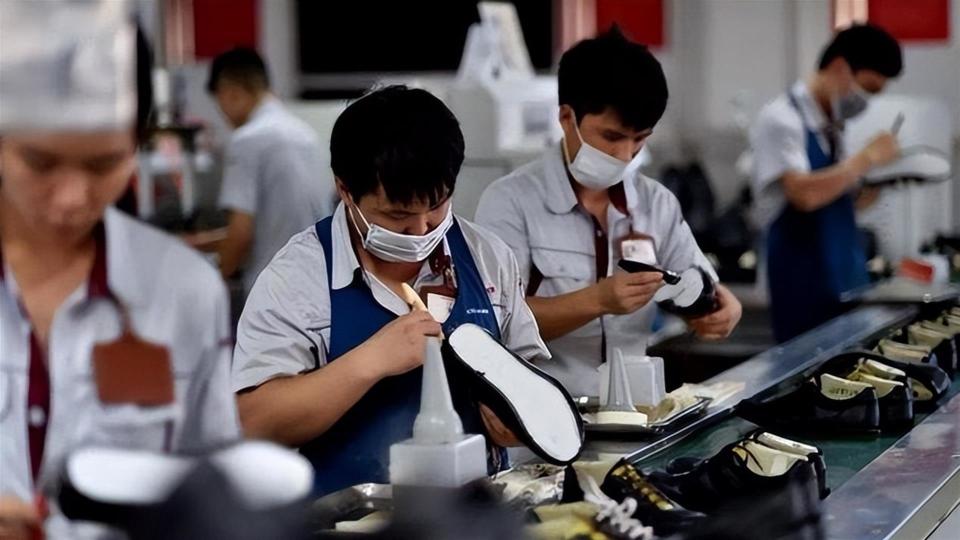
The shop floor management experience is a key factor influencing workers’ choices. In some factories, cell phones are collected for centralized storage, workers must find a replacement to use the restroom, work stations and production rhythms are fixed, and while there are many rules, feedback is slow; in contrast, companies that have made improvements standardize rest areas, drinking water access, ventilation, and equipment inspection procedures, so that workers know when they can take a break and who to contact to resolve issues.
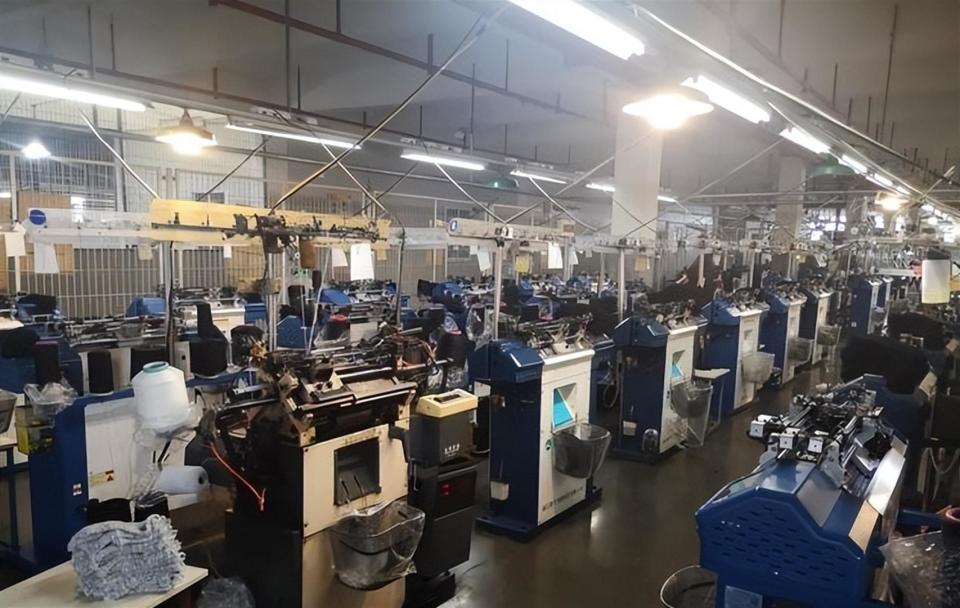
Zhejiang Dongyi New Energy plans to implement a two-day weekend for all employees by 2025, with a 4.5-day workweek on a trial basis for certain positions; some private companies in Zhejiang are piloting a 4.5-day workweek or flexible work hours in the cross-border e-commerce and new energy manufacturing sectors. These adjustments are not merely about working fewer hours, but rather about maintaining production capacity through optimized scheduling and coordinated equipment use, while reducing fatigue caused by long stretches of consecutive shifts.
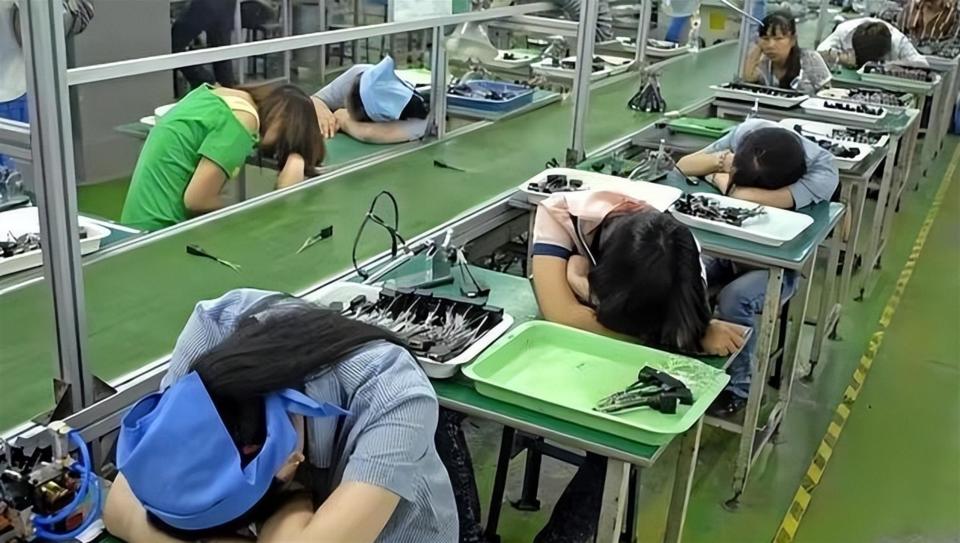
Technical positions are changing the workforce composition in factories. According to data from the Ministry of Human Resources and Social Security, there is growing demand for multiskilled workers in electrical automation, smart manufacturing, and new energy factories. Starting in the fall of 2025, technical schools in Shandong will offer at least 32 class hours of general artificial intelligence courses, and the province plans to establish approximately 20 provincial-level training bases for high-skilled talent.
In 2025, Xinhua Education Group’s affiliated institutions will offer more than 380 customized training programs in smart manufacturing and electrical automation, producing over 15,000 skilled workers. If training in areas such as welding, PLC fundamentals, robotic inspection, and electrical, electronic, and power system maintenance is integrated with corporate production lines, even ordinary workers can gradually transition into roles involving equipment commissioning and quality management.
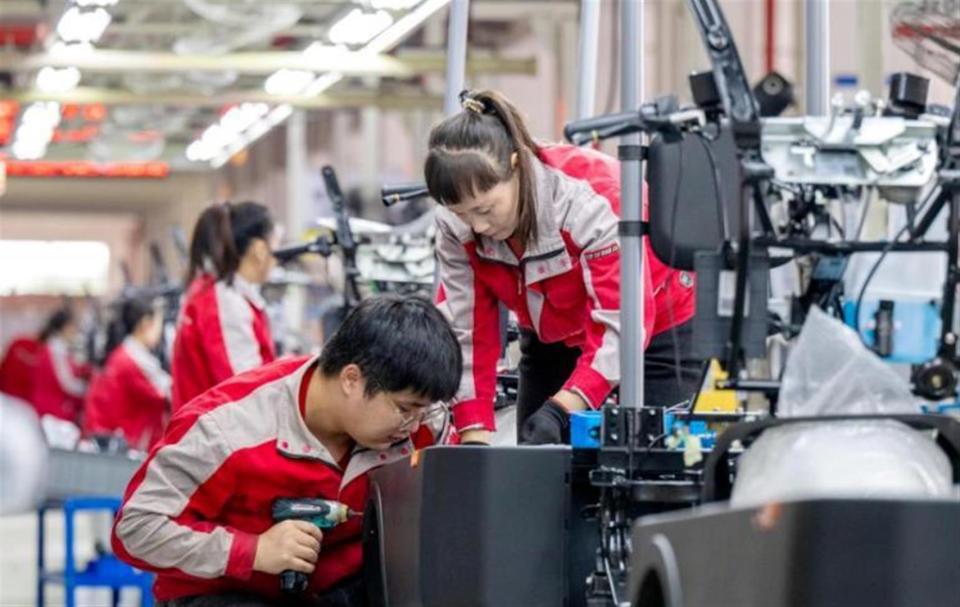
Through school-enterprise partnerships, the focus has shifted from “hiring” to “training.” Companies provide lists of job-specific competencies, while schools teach drafting, electrical engineering, safety, and equipment maintenance; internships take place directly on actual production lines. Upon graduation, students can transition to positions at organizations such as smart manufacturing equipment manufacturers, new energy plants, and rail transit support companies.
Protection of workers’ rights is a common factor young people consider when evaluating factories and online platforms. In 2025, nine government departments expanded the pilot program for occupational injury protection in new forms of employment; in 2026, the Government Work Report proposed extending occupational injury protection to 31 provinces and the Xinjiang Production and Construction Corps, with on-demand delivery, ride-hailing, and local freight platforms generally included in the program. Factories, on the other hand, place greater emphasis on contracts, social insurance, skill levels, and stable length of service.
Retaining employees isn’t just a matter of raising their paychecks. Only when a combination of a guaranteed base salary, transparent piecework pay, eight-hour shifts, night shift allowances, skill-based bonuses, and regular training is in place can job seekers determine whether this is a job they can stick with long-term and whether there will be new technologies to learn three years down the line. Training subsidy programs in many regions have already placed traditional skilled trades and new-industry positions on equal footing. Young people looking to work in factories can first check their local list of in-demand occupations, then choose from welding, electrical work, machining, or new energy maintenance; when companies create positions based on this list and offer pay raises according to skill levels, recruitment and workforce development will form a virtuous cycle.
Money is just the ticket to get in; time, rules, and career paths determine whether a person is willing to stay. If factories clearly specify working hours, establish clear pathways for skill development, and ensure adequate rest and safety, earning over 10,000 yuan a month will go from being a “recruitment slogan” to a “reasonable expectation.”
At this point, if you had to choose between a “technical position with a clear base salary, an eight-hour workday, and on-the-job training from a mentor” and a “delivery position with transparent order volumes and flexible start and end times,” which type of workplace would you be more interested in visiting first?
评论
暂时没有评论。