Related Topics: Unsanitary or Hazardous Work Environments
- The peak season for private lost-and-found recovery services brings a high volume of orders, with the retrieval of a single cell phone often fetching over 1,000 yuan. However, most practitioners rely on social media platforms to secure jobs, and deposits, refunds, and payments are primarily handled through verbal agreements or via WeChat.
- Although diving and salvage work may seem to offer flexible hours and a good income, workers must provide their own equipment, travel long distances to job sites, and may have to cover their own travel expenses and compensate for lost time if a client backs out or the salvage operation fails.
- Underwater operations carry significant health risks; divers may face occupational injuries such as lumbar spine injuries and decompression sickness, and engineering salvage operations often require working in complex environments such as zero-visibility conditions, muddy water, and sewage pipes.
- Engineering salvage operations have stricter requirements regarding certifications, training, onshore support, and insurance. While some teams purchase diving insurance for their divers, this coverage does not extend to all individual divers engaged in the recovery of lost civilian property.
- As competition in the industry intensifies, some training institutions are using slogans like “earn 10,000 yuan a month” to attract newcomers to the field. However, veterans point out that actual earnings are limited, and divers still face issues such as injuries, an unstable flow of work, and inadequate protection.
The summary above was automatically generated by the system and is provided for reference only. Please verify it against the original text before use.
A cell phone falling into the ocean, a backpack swept away by the rising tide—these frustrating mishaps have given rise to a new business in coastal cities.
Wang Zelong has been in the salvage business for five years; during peak season, he can take on dozens of orders a month to recover lost items for tourists, charging over 1,000 yuan per cell phone. Thirty-year-old Liu Fangyuan has shifted to engineering salvage, diving into mud-filled pile foundation holes to retrieve drill bits and perform underwater cutting; the largest contract his team has ever taken on paid approximately 200,000 yuan.
On one hand, there is flexibility in scheduling and a substantial income; on the other, there is high pressure, injuries, and unknown risks. The story of these underwater salvage workers is also a microcosm of a new profession emerging amid “promising prospects and a lack of regulations.”
Fishing out cell phones, glasses—and even “mud”
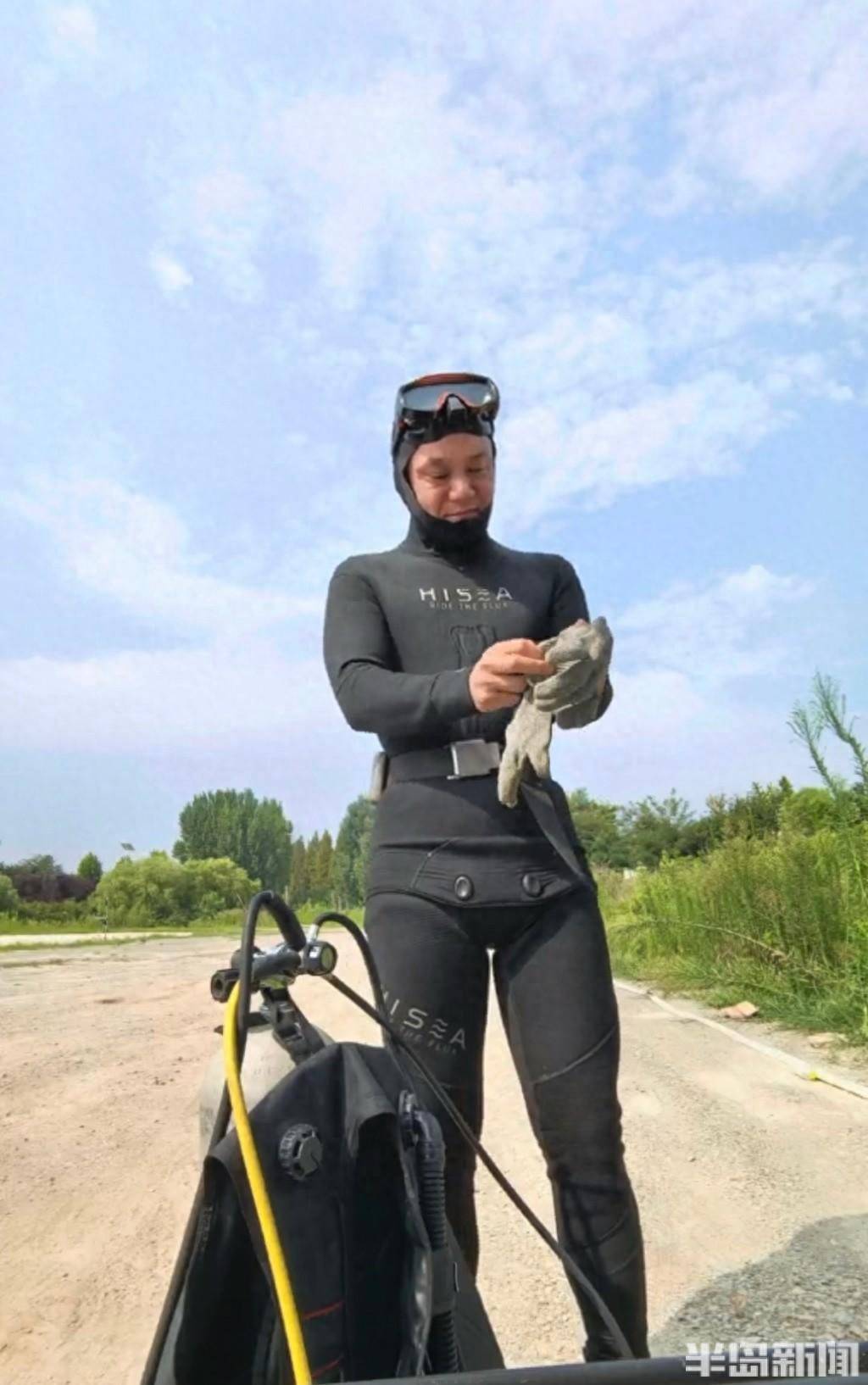
Every year, the summer months mark the peak season for underwater salvage operations; in July and August, Wang Zelong took on dozens of jobs over the course of two months.
Many tourists visiting the beach accidentally drop the rings they’re wearing into the water while catching crabs among the rocks or scooping up fish in shallow waters; others, sitting on the beach and gazing at the ocean, are caught off guard by the rapidly rising tide, only to have their cell phones or backpacks swept away by the waves.
The items that fall into the water come in all shapes and sizes: cell phones, glasses, necklaces, bracelets, car keys, action cameras, and more are all quite common. “We get the most requests to retrieve cell phones. Many phones these days are water-resistant, so they still work fine after being retrieved.”
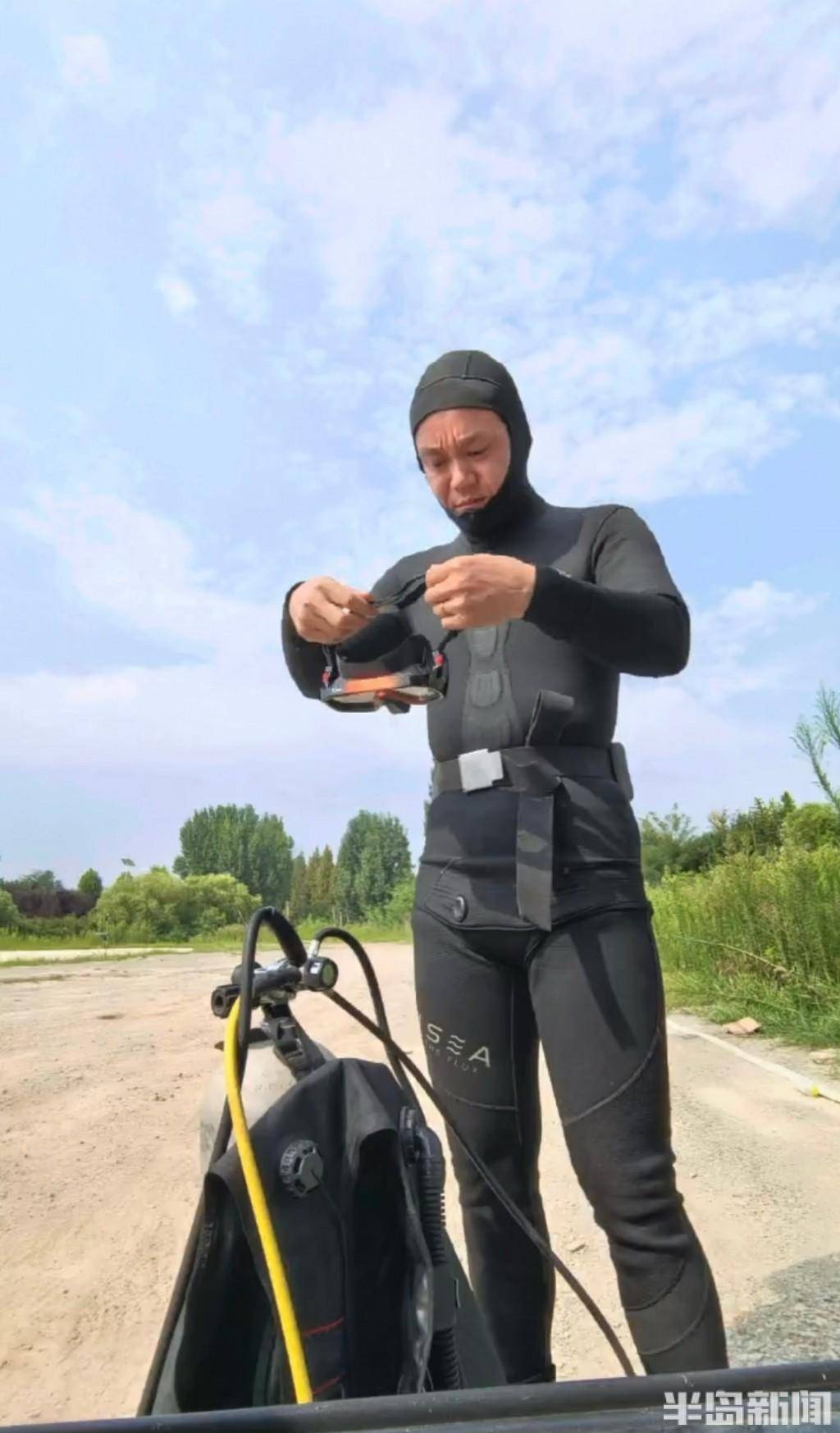
Wang Zelong, 42, is a native of Jiaozhou, Qingdao, and has been working as a diving and salvage operator for five years. The trunk of his car is packed to the brim with all kinds of diving equipment. One bucket contains a wet diving suit—this type of suit must be kept damp to make it easier to put on. When working in freshwater areas, Wang Zelong rinses the diving suit with river water before putting it back in the bucket;if he’s salvaging at sea, he uses another bucket of tap water he brings along to clean them. The trunk also holds compressed air cylinders; each dive uses up one or two cylinders, and once the gas runs out, he heads to a specialized station to refill them, with each refill costing between 20 and 30 yuan. In addition, there’s a metal detector used to search for metal objects.
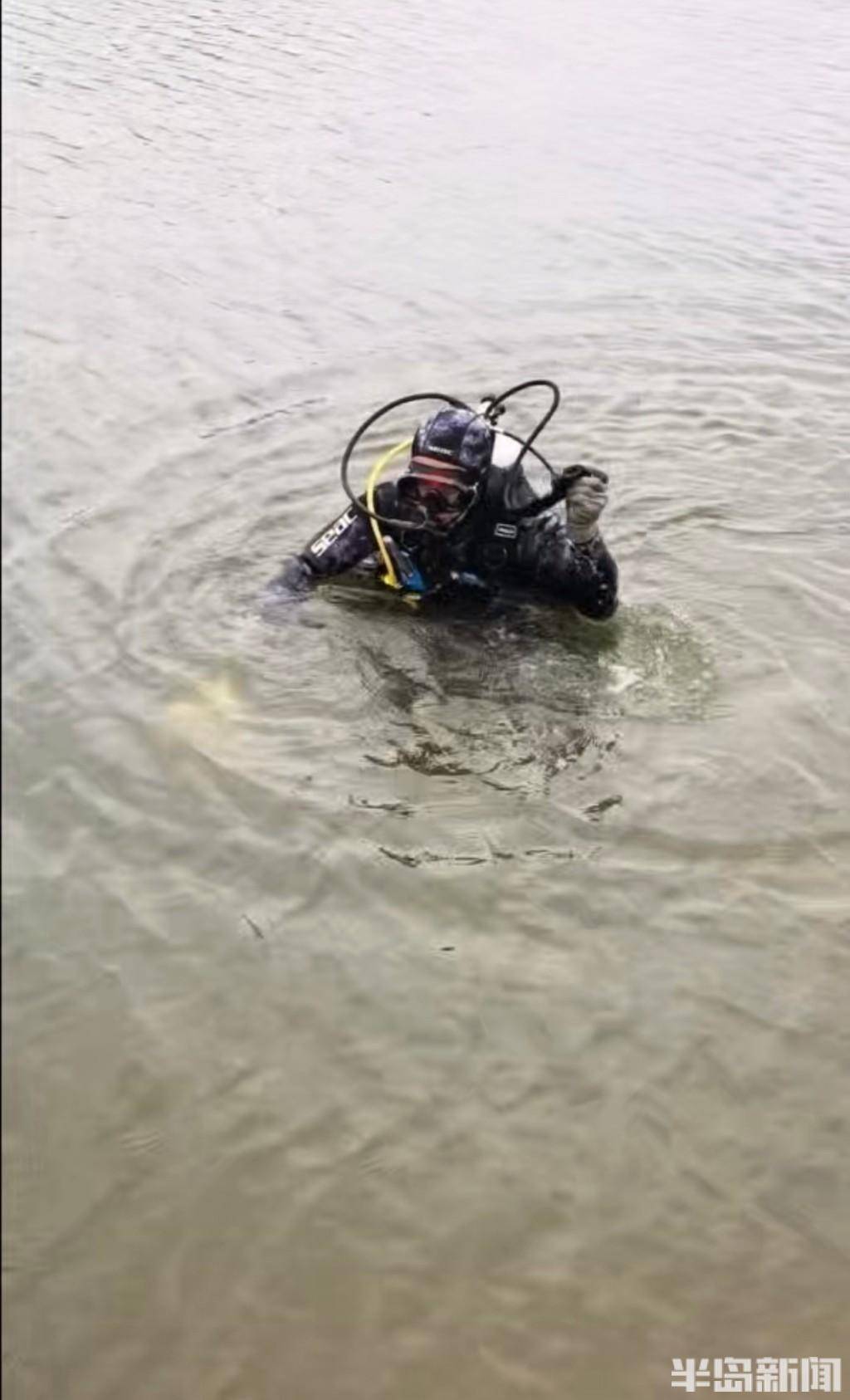
The biggest challenge in recovery operations is encountering waters with high waves and thick sediment; once an item falls into the water, it is easily swept away by the current and becomes very difficult to retrieve. Looking back on his past recovery experiences, Wang Zelong’s fastest recovery took just over ten seconds, while there have been times when he searched underwater for one or two hours and still came up empty-handed.
Liu Fangyuan, who, like Wang Zelong, has been working in underwater salvage for four or five years, has ventured into a different area of the salvage industry. Liu Fangyuan, now 30 years old, previously retrieved sea cucumbers from the ocean, as well as items such as cell phones, rings, action cameras, and fishing rods. In 2024, he transitioned to engineering salvage.
The most common job we take on is recovering drill bits.Before construction begins on large-scale projects such as bridges, a solid foundation must first be laid, and pile driving is an essential part of this process. The interior of the pile holes at construction sites is filled with slurry; if a drill bit accidentally falls into a hole, it cannot be retrieved simply by pumping out the water. The most effective method is for a diver to descend into the pile hole, secure the drill bit with a hook and shackle, and then use mechanical equipment to pull it back up.
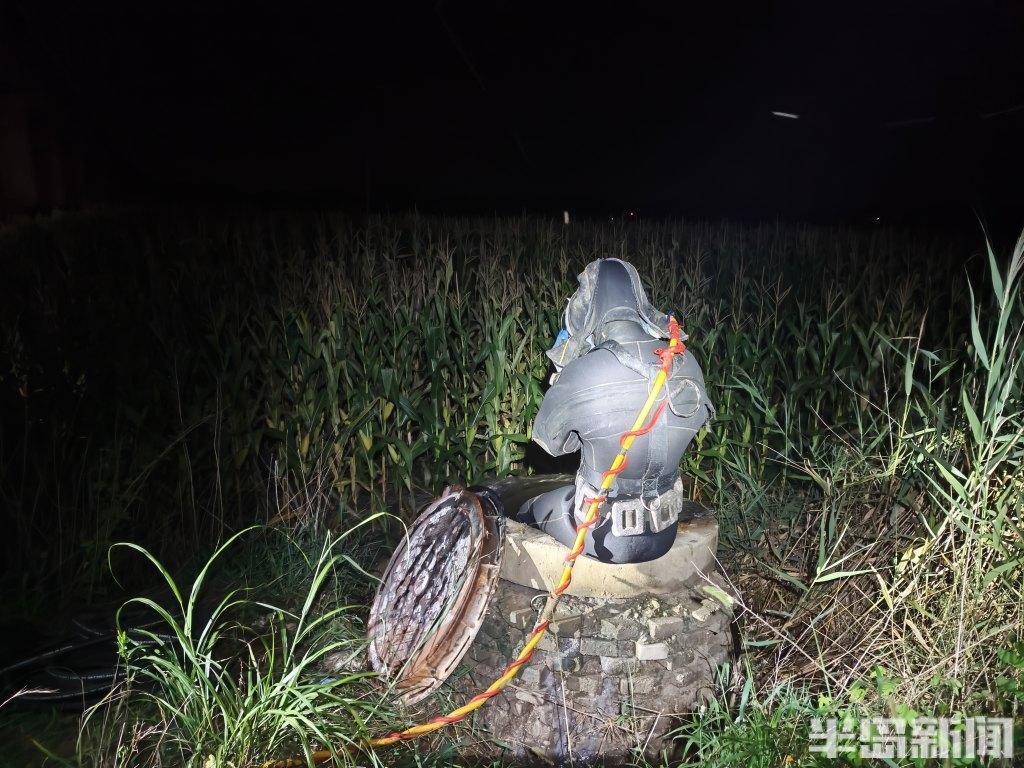
Liu Fangyuan took on the dirtiest task: working inside the city’s sewage pipes. Inside pipes less than a meter wide, he operated inflatable bags to seal off sections of the pipeline, paving the way for subsequent localized repairs. “It was pitch black all around, and a foul stench permeated the air.”
On one occasion, he was assigned a special mission to collect samples from the riverbed: the client had commissioned the team to dive into the water and collect sediment samples from the riverbed. On that mission, Liu Fangyuan led his team in collecting more than 600 sediment samples.
In addition, underwater cutting and underwater electric welding are also part of Liu Fangyuan’s line of work. These types of operations require the use of direct-current equipment underwater; even if the current isn’t very strong, operators still feel a distinct sensation—“Whoever touches it gets a tingling sensation.”
Earn over 1,000 yuan from a single phone, and 200,000 yuan from a single project
For retrieving a cell phone, Wang Zelong quoted a price ranging from 800 to 2,000 yuan.
“Almost all divers who work in salvage operations run their own social media accounts, and clients in need usually contact us through these platforms.” After connecting with a client via social media, Wang Zelong negotiates with them and collects a deposit ranging from 200 to 500 yuan. This step is essential for him.Although he lives in Jiaozhou, his salvage assignments are scattered across various areas—including Shilaoren, Pingdu, Laoshan, and Chengyang—each requiring a one- to two-hour drive one way. If, after traveling such a long distance to the site, the client changes their mind and refuses to pay, or hires another diver to handle the salvage, the entire trip would be in vain.
July through September is the peak season for the salvage industry. Once the peak season ends, Wang Zelong goes diving to harvest seafood, bringing back several hundred yuan’s worth of seafood in a single trip, which he then sells to vendors. He once recovered a wild sea cucumber weighing one and a half jin, which he sold for 180 yuan.However, the income from harvesting seafood pales in comparison to that from retrieving lost items. Seafood must be caught one by one, whereas retrieving lost items—once the target object is successfully located—is a relatively simple process, yielding far more substantial earnings.
In the salvage industry where Wang Zelong works, there are no uniform or clear official pricing standards; industry professionals follow a set of unwritten fee guidelines.For example, the fee for retrieving a cell phone generally exceeds 1,000 yuan; for gold jewelry weighing 20 grams or more, the fee can reach 5,000 to 6,000 yuan, while smaller pieces weighing just a few grams cost around 1,000 yuan. However, these standards are not set in stone—quoting a lower price increases the chances of securing an order, so price undercutting among competitors is commonplace.
Although there are no strict regulatory requirements, if the service falls short, the owners of the lost items will leave feedback on the divers’ social media accounts, exposing the professionals’ reputations directly to the public—which serves as a form of indirect oversight.
Compared to recovering lost personal items such as cell phones and jewelry, engineering salvage requires a higher level of technical expertise; Liu Fangyuan primarily takes on large-scale projects with high technical barriers.
Liu Fangyuan’s team consists of six or seven experienced master craftsmen. Instead of a fixed salary, he implements a high-commission system: he keeps 30% of the revenue from each job, and the remainder is divided among the team members. During busy periods, team members can earn up to 1,000 yuan in a single day.
His team took on their largest order to date, with a fee of approximately 200,000 yuan. Professional engineering salvage teams like theirs have no shortage of business opportunities; orders come one after another, with very few gaps in their schedule. Liu Fangyuan chose to enter this field because he saw its growth potential. He holds a college degree and, after graduation, worked at China Railway Fourth Bureau before resigning to start his own business in Qingdao—partly so he could live in the same city as his girlfriend.
Occupational Diseases That Cannot Be Ignored
Wang Zelong has recently been suffering from lower back pain, which stems from a salvage operation he conducted last year. That salvage operation was exceptionally difficult. Wang Zelong donned his diving suit—with his equipment and compressed air tanks weighing a full 100 jin—and walked across a vast expanse of tidal flats, with mud up to his calves, covering a distance of one kilometer before reaching the entry point.After completing the job and returning home, he could no longer move his lower back; a herniated lumbar disc forced him to stay in bed for an entire month.
His wife has always been very concerned about his safety and often urged him to find a different job, but Wang Zelong really loves this line of work. Wang Zelong enlisted in the military just a few years after graduating from middle school. Before becoming a diving and salvage worker, he had been working as an office clerk at a company; this job as a diver opened up a completely different and vast world for him. He feels that this job offers flexible hours and freedom from others’ supervision—he “makes money just by having fun.”
“In Wang Zelong’s view, working as a diver also requires regular hyperbaric oxygen therapy, which he regards as a protective measure.” Wang Zelong typically dives to depths no greater than 8 meters during his daily work, and he goes to the hospital once a year for hyperbaric oxygen therapy, which costs 600 yuan.Divers are prone to an occupational disease known as decompression sickness. When the human body is underwater, the pressure increases by approximately one standard atmosphere for every 10 meters of descent. During descent and ascent, the nitrogen content in the blood rises, which can cause bubbles to form and block blood vessels or body tissues.
Compared to the salvage of civilian items carried out by Wang Zelong, the engineering salvage work performed by Liu Fangyuan involves a much higher level of risk. The water encountered during construction site salvage operations consists of murky slurry. This slurry has a high density and exerts greater water pressure; when diving to the same depth, the water pressure is significantly higher than that of ordinary lake water.At the same time, visibility in the muddy water is zero, so divers must rely solely on touch to feel their way forward in complete darkness throughout the entire operation. Furthermore, the conditions inside pile foundation holes are fraught with uncertainty and hidden risks; it is impossible to know whether there are cavities, loose rocks, or sharp objects inside the hole.
“In the field of engineering salvage, industry standards require workers to hold relevant certifications issued by the China Diving and Salvage Association, which are further categorized into different types, such as air diving and municipal diving,” explained Liu Fangyuan. “To obtain the full set of certifications, one must undergo more than a month of specialized training.”
“When we’re working in the field, we assign only one person to go underwater, while three or four people remain onshore to provide support throughout the entire operation,” explained Liu Fangyuan. Due to the unique conditions of salvage operations—including extremely poor underwater visibility and a highly complex environment—divers must carry walkie-talkies to maintain constant communication with the shore crew and keep them updated on their safety status.
Liu Fangyuan purchased diving insurance for every diver on the team, with the company covering the entire annual premium of over 2,000 yuan per person. For him, this is an expense he cannot cut back on: “If a safety incident were to occur, the company simply couldn’t afford the compensation.”
An Unavoidable Exam Question
In addition to the impact on health, competition in this industry has become increasingly fierce.
Wang Zelong remarked that many diving training institutions advertise slogans like “earn 10,000 yuan a month,” noting that “such claims are somewhat exaggerated.” Even for a veteran like him, who has been in the industry for many years, annual income is only around 100,000 yuan. The barrier to entry for diving is relatively low; as long as you master the skills, you can try your hand at salvage operations, which has led to a massive influx of people into the industry.“Competition among peers is fierce, but market demand remains substantial,” Wang Zelong noted. He shared an example: A client once dropped their cell phone into the water while fishing at a reservoir. When Wang went underwater to retrieve it, he pulled up five phones in a row that didn’t belong to the client. It wasn’t until he retrieved the sixth one that he finally found the client’s lost phone.
There are still quite a few national diving and salvage discussion groups across the country. When divers come across jobs they can’t take on themselves, they post the requests in these groups, and the person posting the job can earn a 30% commission. Once, a diving professional from Hainan posted a request for help: the owner’s cell phone had fallen into the sea, and it contained important data; the owner promised to pay a 20,000 yuan reward if the phone was recovered.At that time, four or five groups of divers had already gone into the water to search, but all came up empty-handed. A diver from Shandong, hoping to secure the job, offered a deal: “No fee if the recovery is unsuccessful.” Keep in mind that a round-trip from Shandong to Hainan—including airfare and lodging—costs at least 4,000 to 5,000 yuan. In the end, the phone was still not found, and the diver had to cover the full cost of the trip out of pocket.
Although both involve underwater diving operations, the private salvage of lost items carried out by Wang Zelong and the engineering salvage undertaken by Liu Fangyuan are governed by two completely different sets of rules.
The engineering salvage work in which Liu Fangyuan is involved is a high-risk specialized operation. Practitioners are required to obtain a diving certificate issued by the China Diving and Salvage Industry Association, and there are clear requirements for training, operational supervision, and specialized insurance.The China Diving and Salvage Industry Association has issued 60 industry group standards, establishing a comprehensive safety system for engineering diving operations by member organizations. However, as these group standards are documents of industry self-regulation, they apply only to member enterprises and do not carry legal enforceability; consequently, they do not apply to individual divers who accept jobs through short-video platforms or engage in lost-property recovery.
Private lost-and-found recovery services rely on social media platforms and lack a standardized official pricing structure; generally, deposits, refunds, and fees are all handled via WeChat or verbal agreements. Industry oversight relies largely on word-of-mouth in online comment sections.During the 2023 May Day holiday, an incident involving a 1,000-yuan cell phone retrieval at Hangzhou’s West Lake went viral. The retrievers, wearing uniforms bearing the words “Emergency Rescue,” were taking on commercial jobs, which easily led tourists to confuse private commercial retrieval services with official public rescue efforts. This incident exposed the numerous controversies arising from online booking for private retrieval services and highlighted the common challenge of blurred regulatory boundaries in this sector nationwide.
On one hand, many training institutions hype “easy, high-paying jobs” to attract newcomers to the industry, while divers must face the risks of underwater injuries and illnesses as well as the lack of job security; on the other hand, ordinary citizens seeking recovery services are prone to encounter consumer traps such as disputes over deposits and unclear rights and responsibilities.Private lost-and-found recovery is not a public service but a market-driven labor service; however, the market has outpaced the regulations. How to clarify regulatory responsibilities, strengthen industry self-regulation, and protect both the safety of divers and the rights of consumers has become an unavoidable challenge for this underwater business. (At the interviewee’s request, Liu Fangyuan is a pseudonym.)
(By Gao Fang, Chief Reporter, Peninsula Media; Interns Qian Yiming and Liu Beibei) Return to Sohu to view more
编辑 删除 返回
Comments
No comments yet.